Life Stages · Trying & Pregnancy
Eating for two, without the panic.
From preconception through the third trimester — what genuinely matters on your plate, what to be careful with, and how to eat well when you can barely stand the smell of toast.
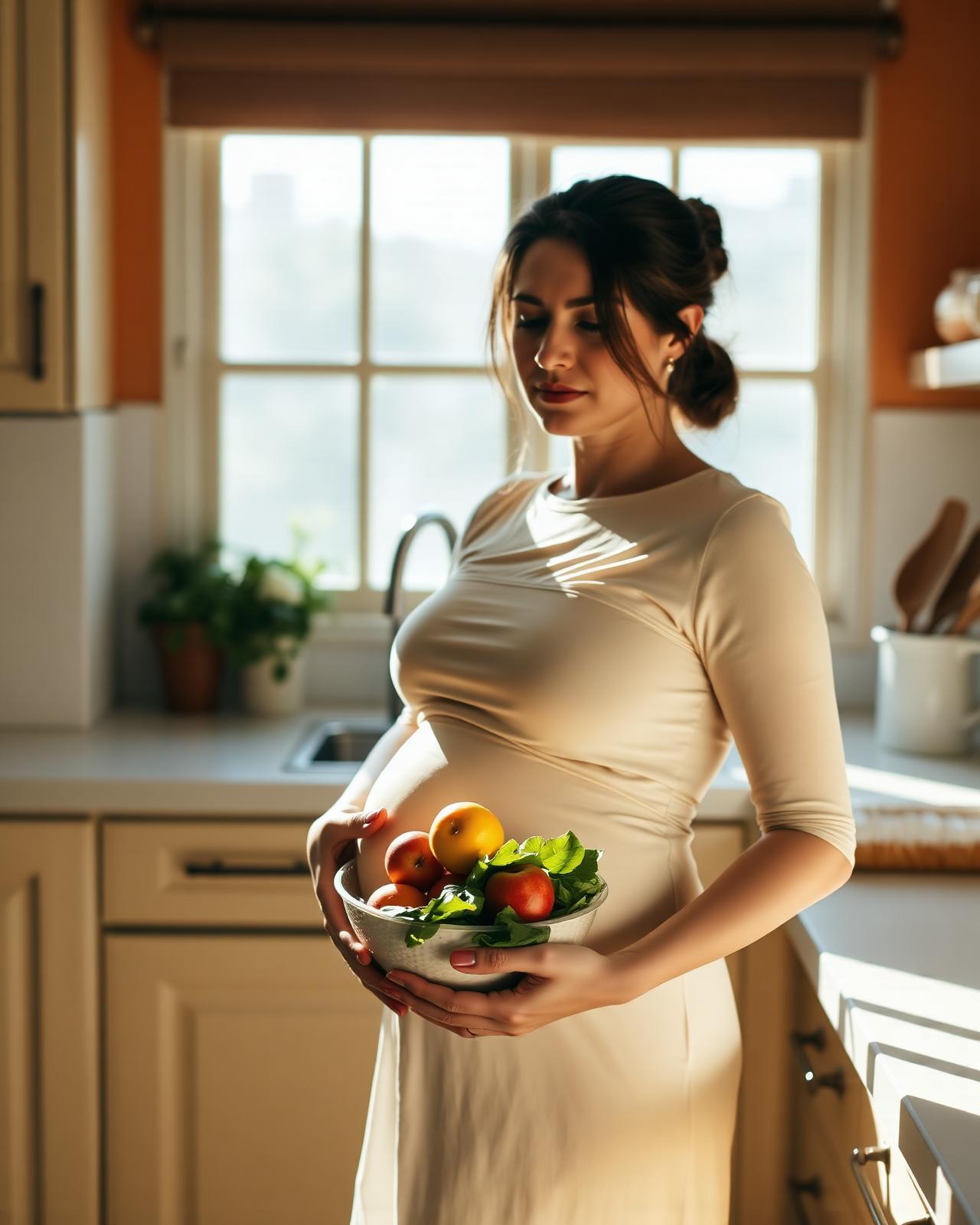
What does a woman's body actually need in pregnancy?
The short answer
“Mainstream guidance is simpler than most people realise: no extra calories needed in the first or second trimester, and roughly an extra 200 kcal a day in the third trimester. What matters more is the quality of the plate — enough protein, iron, iodine, omega-3 DHA, folic acid (400 mcg) and vitamin D (10 mcg). She does not need to 'eat for two' adults, drink raw milk, or fear every soft cheese in the fridge.”
Pregnancy is the most heavily policed period of a woman's eating life. Some of that policing is genuinely important — listeria is real, alcohol is best avoided, mercury matters. A great deal of it, though, is folklore and out-of-date caution that leaves women anxious about everything from a runny yolk to a square of brie. The honest middle ground is calmer than either camp suggests.
What tends to help
Six fundamentals worth knowing.
Folate before you know
400 mcg of folic acid daily from before conception (or as soon as possible) through week 12 — leafy greens and pulses on top, not instead.
Iron quietly matters
Blood volume rises by ~40–50%. Lean red meat, lentils, tofu and eggs paired with vitamin C support healthy levels.
Protein, gently more
Pregnancy modestly raises protein needs. A palm of fish, eggs, dairy or pulses at every meal usually does the job.
Omega-3 DHA for the brain
2 portions of oily fish a week (salmon, sardines, mackerel) — or an algae-based DHA supplement if you don't eat fish.
Iodine, often forgotten
Dairy, eggs and white fish do most of the work; vegan diets usually need an iodine supplement (but not high-dose kelp).
Vitamin D, all year
10 mcg (400 IU) daily through pregnancy and breastfeeding is widely recommended — particularly important if you live at a higher latitude or get little sun.
On your plate
A friendly plate, by trimester.
Build meals around these and the bigger picture takes care of itself. Adjust around morning sickness — the best food in pregnancy is the food you can keep down.
Oily fish (2× a week)
Salmon, sardines, mackerel for DHA and vitamin D. Limit canned and fresh tuna due to mercury — most guidelines suggest no more than 2 servings of fresh tuna or 4 small tins per week.
Leafy greens & pulses
Folate, fibre and gentle iron. Lentils, chickpeas, spinach, broccoli.
Eggs
Choline, protein, B12. Where you have access to certified salmonella-controlled eggs (e.g. British Lion in the UK, equivalents elsewhere) a runny yolk is generally considered safe in pregnancy; otherwise cook eggs through.
Dairy & fortified alternatives
Calcium, iodine, protein. Use pasteurised milk, yoghurt and cream; harder pasteurised cheeses (cheddar, mozzarella, halloumi, feta) are fine.
Whole grains
Steady energy and the fibre that quietly helps with pregnancy constipation.
Berries, citrus, kiwi
Vitamin C improves iron absorption from plant sources at the same meal.
Nuts & seeds
Healthy fats and a small daily protein top-up. One Brazil nut a day covers your selenium.
Water, often
Hydration eases swelling, headaches and that third-trimester fatigue more than people expect.
A note on care
Worth being careful with.
- Avoid alcohol entirely — there is no known safe amount in pregnancy.
- Skip pâté, mould-ripened soft cheeses (brie, camembert, blue) unless cooked through, and any unpasteurised dairy.
- Limit caffeine to under 200 mg a day (about two mugs of instant coffee).
- Cook all meats fully, and cook eggs through unless they come from a certified low-salmonella scheme — and avoid liver due to high vitamin A.
- Limit oily fish to 2 portions a week and avoid shark, swordfish and marlin entirely.
- Always speak to your midwife or doctor about supplements, weight changes and any condition-specific guidance.
Lumen & Lily is general nutrition information for women. It is not a substitute for medical or dietetic advice. For personalised care, please speak to your doctor, midwife, or a registered dietitian.
Continue reading
Related guides for this season.
Guide
The fourth trimester
Recovery, breastfeeding nutrition and your energy in the months after birth.
Read the guide →Guide
Meal frameworks
Calmer week-night eating that flexes around fatigue and food aversions.
Read the guide →From the journal
Pregnancy iron, quietly
Why iron slips low in pregnancy — and the gentlest way to bring it back.
Read the article →Guide
All life stages
From pregnancy to perimenopause — nutrition for every season.
Read the guide →The Journal
Honest nutrition writing, in your inbox.
New articles, meal ideas and evidence-based guidance for women — Sunday mornings only. No fads, no fluff, no spam.