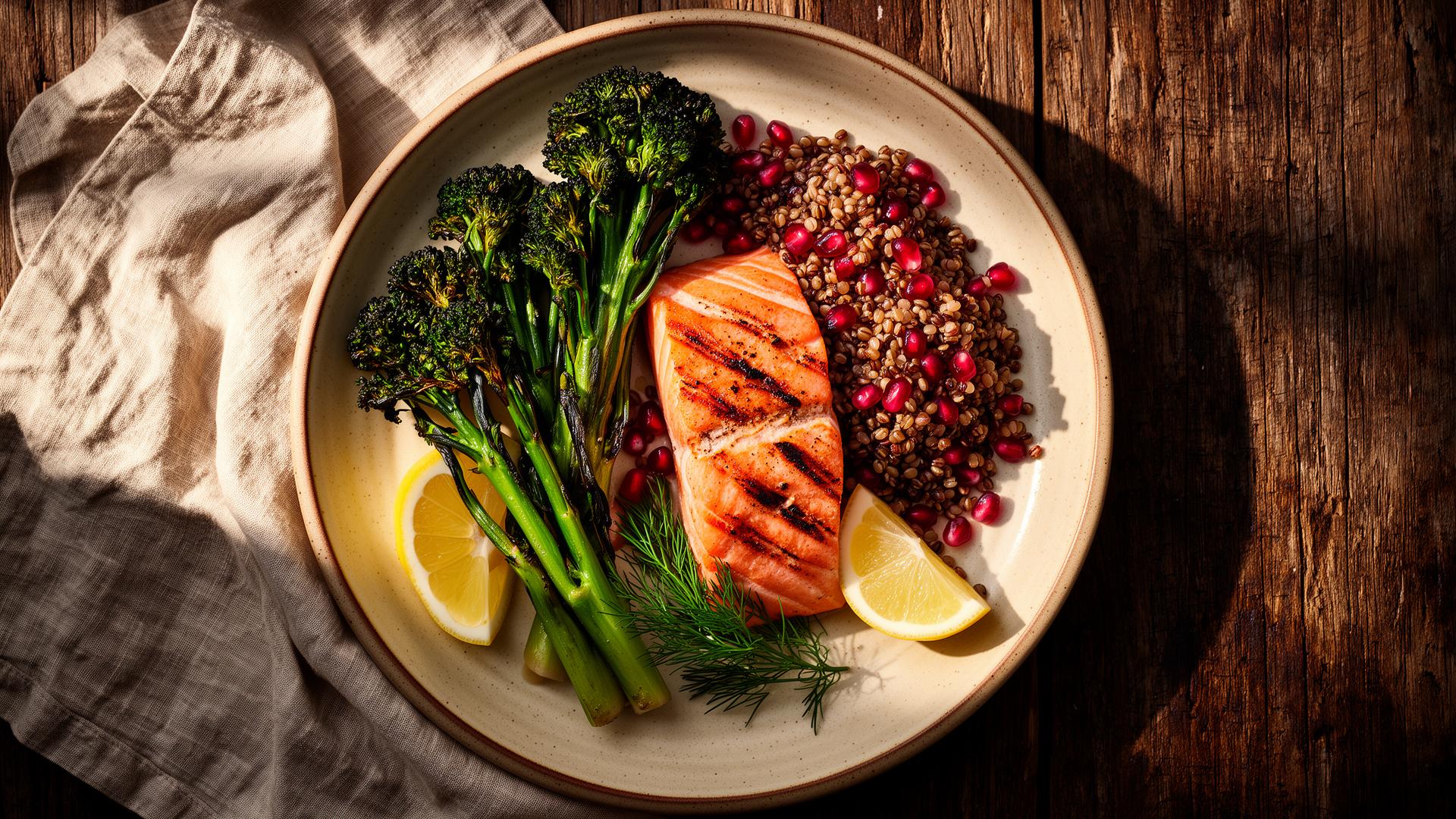
Trying & Pregnancy
Pregnancy, iron, and the tiredness no one warned you about
Why iron quietly determines half of how you'll feel through pregnancy and the months after — and how to top up without a supplement that wrecks your stomach.
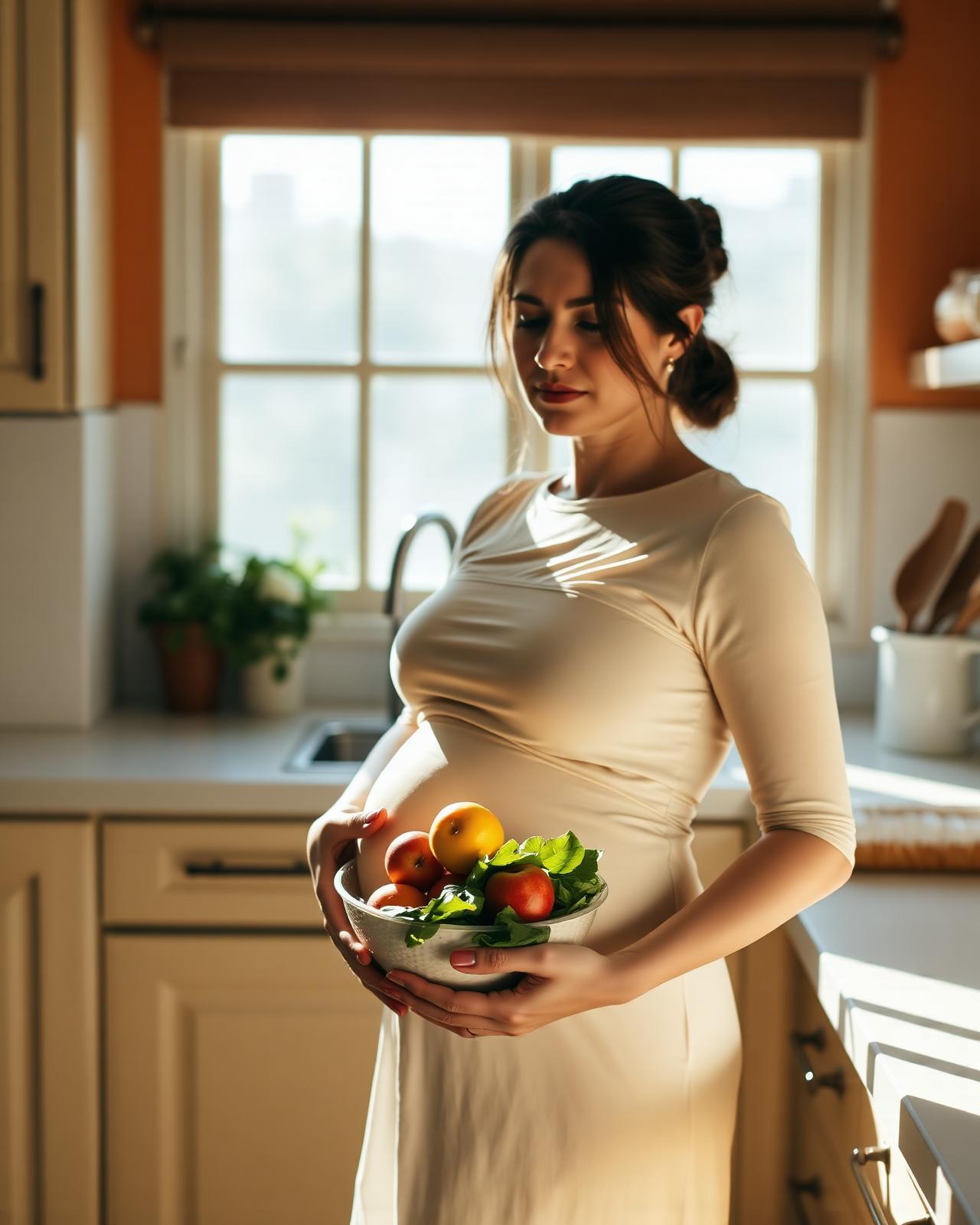
Of all the nutrients that quietly shape pregnancy, iron is the one most likely to be in deficit and the one most likely to make you feel terrible if it is. Roughly a third of women in their reproductive years already have low iron stores before they conceive. Pregnancy then asks the body to grow about 50% more blood volume in nine months. The maths is unforgiving.
Why iron matters more than you'd think.
Iron is the molecule that carries oxygen around your body. When it is low, every cell — including the placenta and the developing baby's brain — is working in a slightly oxygen-poor environment. The first symptom is almost always fatigue that is disproportionate to the trimester. Then breathlessness on the stairs, heart palpitations, brain fog, restless legs, cold hands, hair shedding and a tongue that looks paler than it should.
Severe iron deficiency in pregnancy is associated with higher risks of preterm birth, low birth weight and postpartum depression. Most women never reach severe — but a great many sit in the grey zone of 'low normal', which is more than enough to make pregnancy feel harder than it has to.
“Tired in pregnancy is normal. Exhausted, breathless on the stairs, and sleeping through the alarm at 38 weeks is information — please ask for an iron test.”
What to ask your midwife.
Standard antenatal care typically checks haemoglobin at booking and again around 28 weeks. That is useful, but blunt — haemoglobin can stay normal while ferritin (your stored iron) is already low. If you have heavy periods historically, are vegetarian or vegan, are carrying twins, are pregnant within 18 months of a previous birth, or simply feel exhausted out of proportion, ask for a ferritin level too.
Food first.
- Lean red meat, twice a week — the most absorbable form of iron in any food.
- Eggs, fish and poultry — useful smaller doses of haem iron.
- Lentils, beans, chickpeas and tofu — the workhorses of plant iron, particularly for vegetarians.
- Dark leafy greens — spinach, kale, watercress; cooking them concentrates the iron.
- Fortified breakfast cereals — read the label, but a bowl can deliver a third of your day.
- Pumpkin seeds and dried apricots — easy snack-sized iron top-ups.
Two things that double your absorption.
Plant iron is finicky — it absorbs much better when paired with vitamin C and much worse when paired with tea, coffee or calcium. Two simple habits change the maths: squeeze lemon over your lentils, and keep your morning tea or coffee at least an hour away from any iron-rich meal or supplement.
About supplements.
If your midwife recommends an iron supplement, please take it. The most common complaint — constipation and an upset stomach — is usually solvable by switching form or schedule:
- Try alternate-day dosing — recent evidence suggests it improves absorption and halves side effects.
- Take it with a glass of orange juice, never with milk, tea or coffee.
- If standard ferrous sulphate doesn't agree with you, ask about ferrous bisglycinate or ferrous fumarate.
- Continue for at least three months after your levels normalise — refilling stores takes longer than fixing the blood test.
Iron is one of those quiet, deeply female nutrition stories. Address it well and pregnancy is hard but workable. Ignore it and the same pregnancy can feel impossible. The good news is that food, a little chemistry, and a willing doctor can solve almost all of it.
Sources & further reading
- RCOG · Guidelines on the management of iron deficiency in pregnancy (UK, 2020); WHO · Recommendations on antenatal care for a positive pregnancy experience.
- Stoffel, N. U. et al. (2017). Iron absorption from oral iron supplements given on consecutive versus alternate days. The Lancet Haematology.
- WHO · Recommendations on antenatal nutrition; ACOG · Nutrition during pregnancy patient guidance.