Postpartum & Feeding
The postpartum energy myth
Why 'bouncing back' is the worst nutrition advice a new mother is given — and what genuinely rebuilds energy in the first year.

There is a peculiar cruelty to the cultural script that meets new mothers. The body has just spent forty weeks growing a person, hours or days delivering one, and is now repairing tissue while producing food on demand and surviving on ninety-minute sleep cycles. The dominant message it receives, often within weeks, is: lose the weight.
We want to make a quiet, evidence-based argument against this message — not because weight is unimportant, but because the timing is wrong, and the cost of getting it wrong is high.
What is actually going on in your body.
In the first six months postpartum, your body is doing four major jobs at once: repairing the uterus and any birth tissues, replenishing blood (you have lost some), recalibrating reproductive hormones, and — for many women — producing roughly 750 ml of milk a day. All of this is metabolically expensive.
Current guidance suggests breastfeeding mothers need around 330–400 extra kcal a day above pre-pregnancy needs, and a meaningfully higher protein intake than in pregnancy. Add the catabolic effect of broken sleep and you have a body that needs more, not less, on the plate.
“Trying to lose weight in the first six months postpartum is asking a body in active repair to also hold a deficit. It rarely works, and it almost always costs you energy, mood, hair and milk.”
Why crash dieting backfires.
Steep calorie restriction in this window is associated with reduced milk supply, lower energy, mood disturbance, hair loss and — interestingly — slower long-term return to pre-pregnancy weight. Bodies under perceived threat hold on to fat. They also borrow from muscle, which makes you weaker and metabolically slower in the years that follow.
What actually helps.
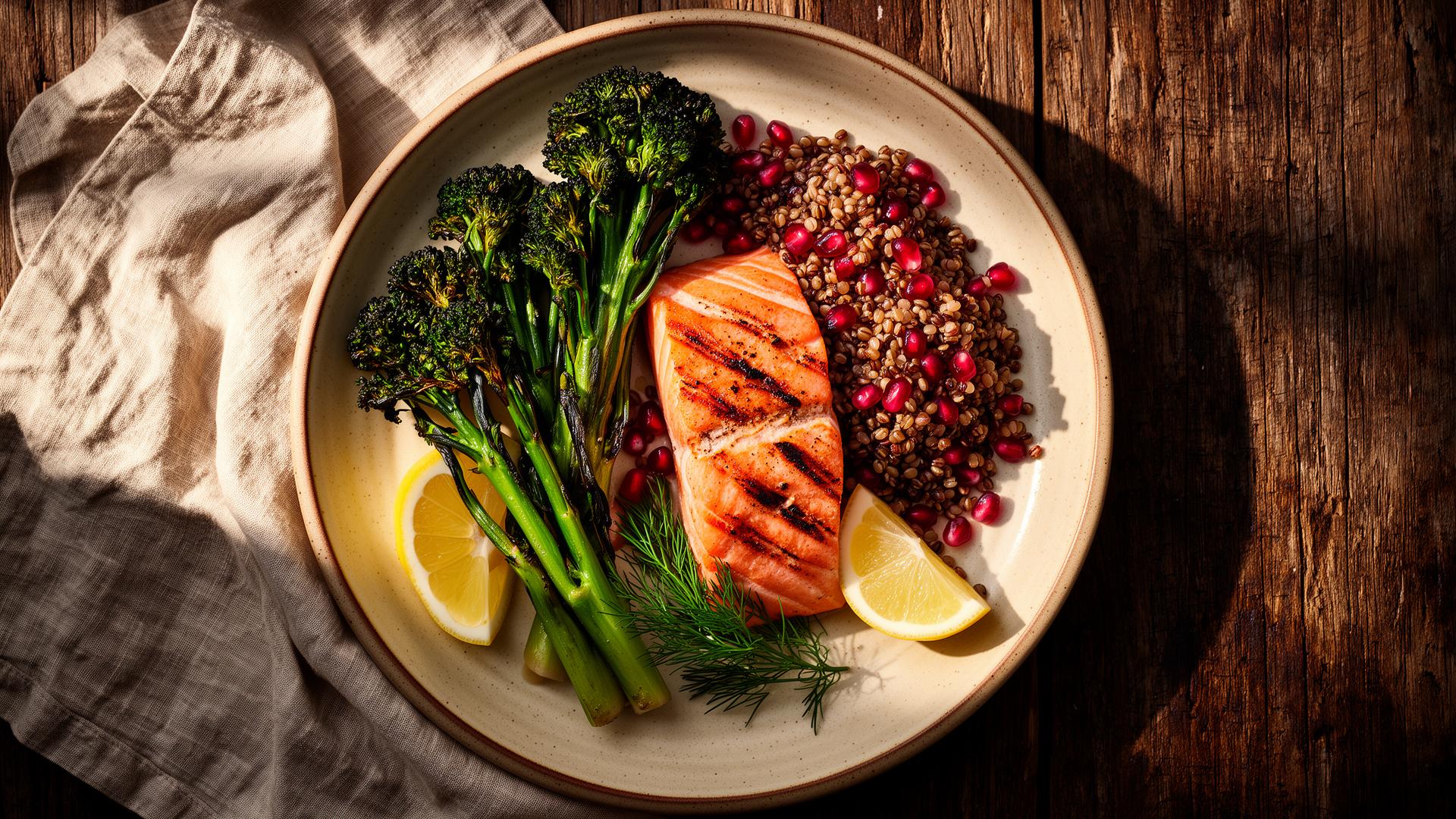
- Eat to appetite, generously — particularly protein at every meal (20–30 g) and a snack between feeds.
- Drink water at every feed; many postpartum women are quietly dehydrated for months.
- Continue prenatal vitamins or a postnatal multivitamin, particularly vitamin D (10 mcg) and iodine.
- Prioritise iron-rich foods (lean red meat, lentils, eggs, leafy greens) — and ask your doctor for a 6–8 week iron check.
- Build meals you can eat one-handed: yoghurt, eggs, oatcakes with hummus, slow-cooker stews, smoothies.
- Sleep when offered, even badly. Recovery happens at night, not on the running machine.
The bigger picture.
Your body is not the same body that walked into the maternity ward, and it is not supposed to be. Treat the first year postpartum as a season for rebuilding — protein, sleep, iron, gentle movement, and an enormous amount of self-respect. The weight conversation, if it needs to happen at all, will still be there in eighteen months. Your healing window will not.
Sources & further reading
- WHO · Healthy diet during pregnancy and breastfeeding.
- Butte, N. F. & King, J. C. (2005). Energy requirements during pregnancy and lactation. Public Health Nutrition.
- Academy of Nutrition and Dietetics · Position paper on nutrition and lactation.