Thyroid & Autoimmune
When tiredness isn't laziness, it's your thyroid
How to tell whether your fatigue, weight gain and brain fog might be a slow thyroid — and the nutrition that quietly supports your medication.

Thyroid disorders are far more common in women than men, and women are around five to ten times more likely to develop hypothyroidism over a lifetime. The symptoms — fatigue, weight gain, cold hands, brain fog, dry skin, low mood, constipation, heavier or irregular periods — are so common, and so easy to attribute to 'just being a woman in her forties', that they often go unnamed for years.
We want to write about this honestly, because thyroid disease is treatable, the medication is one of the great quiet successes of twentieth-century medicine, and nutrition has a real, supportive role to play — though not the role the supplement industry would like you to believe.
What the thyroid actually does.
Your thyroid is a small butterfly-shaped gland at the base of your neck. It produces hormones (T4 and T3) that set the pace of almost every cell in your body — your heart rate, your gut transit, your menstrual cycle, your temperature, your metabolism, and your mood. When it underproduces, everything slows.
Symptoms worth taking seriously.
- Persistent fatigue that sleep does not fix.
- Unexplained weight gain or unusual difficulty losing weight despite reasonable eating.
- Feeling cold when others are not.
- Brain fog, slowed thinking, or unusual forgetfulness.
- Constipation, dry skin, brittle nails, hair thinning at the outer eyebrows.
- Heavier periods, fertility difficulties, or unusual postpartum exhaustion.
Any cluster of these symptoms is worth a TSH blood test from your doctor. If your TSH is borderline or you have symptoms despite a 'normal' result, ask about a full thyroid panel — free T4, free T3 and thyroid antibodies (TPO). Hashimoto's, the autoimmune cause of most hypothyroidism in women, often shows in antibodies before TSH moves.
“The single most useful thing nutrition does for an underactive thyroid is to take the medication properly — and then build a quietly supportive plate around it.”
Levothyroxine, the right way.
Take your tablet on an empty stomach, with water, 30–60 minutes before food, coffee, calcium, iron or any other supplement. This single habit makes a meaningful difference to absorption and is the easiest win available to anyone newly diagnosed.
What to actually eat.
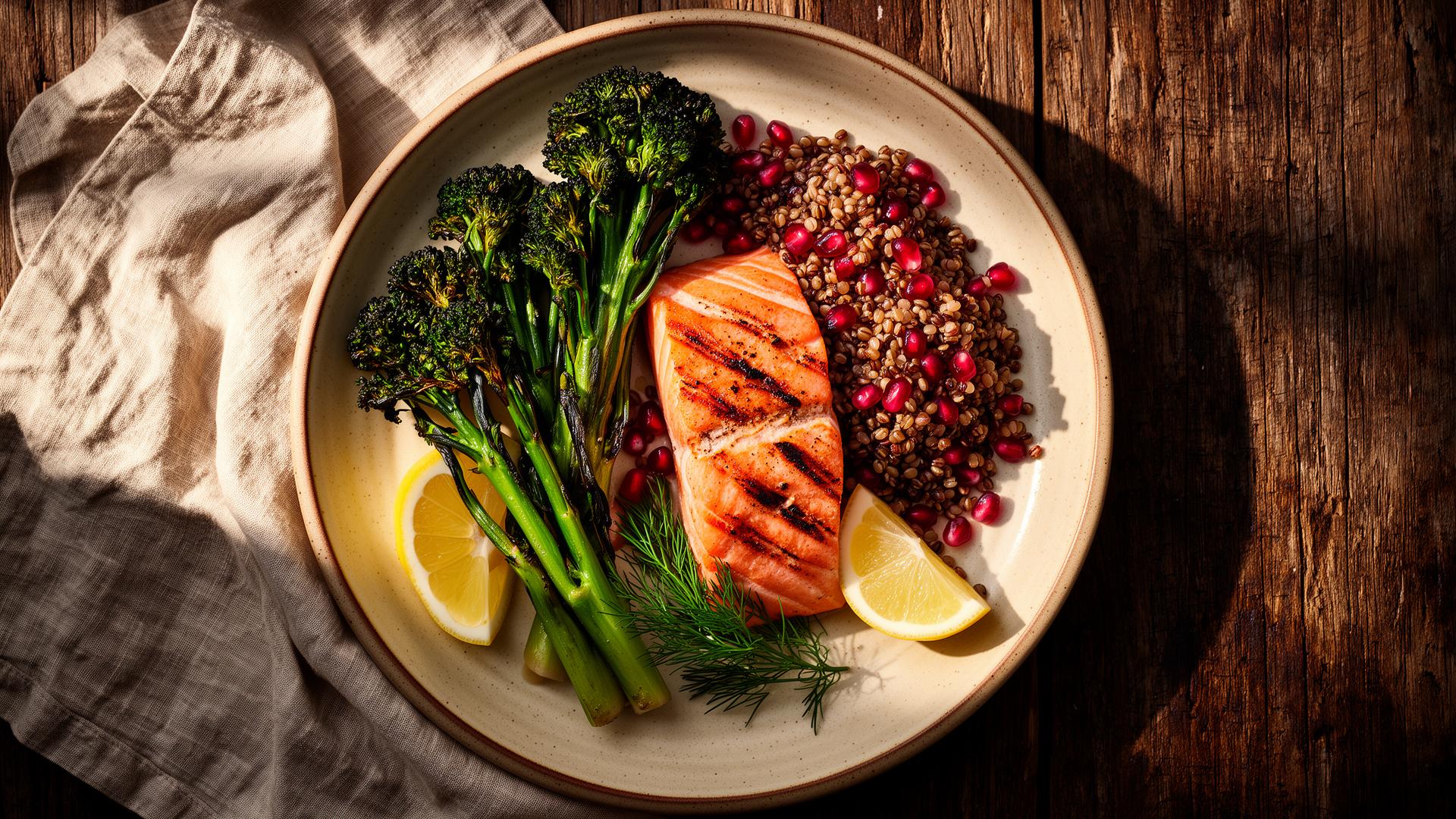
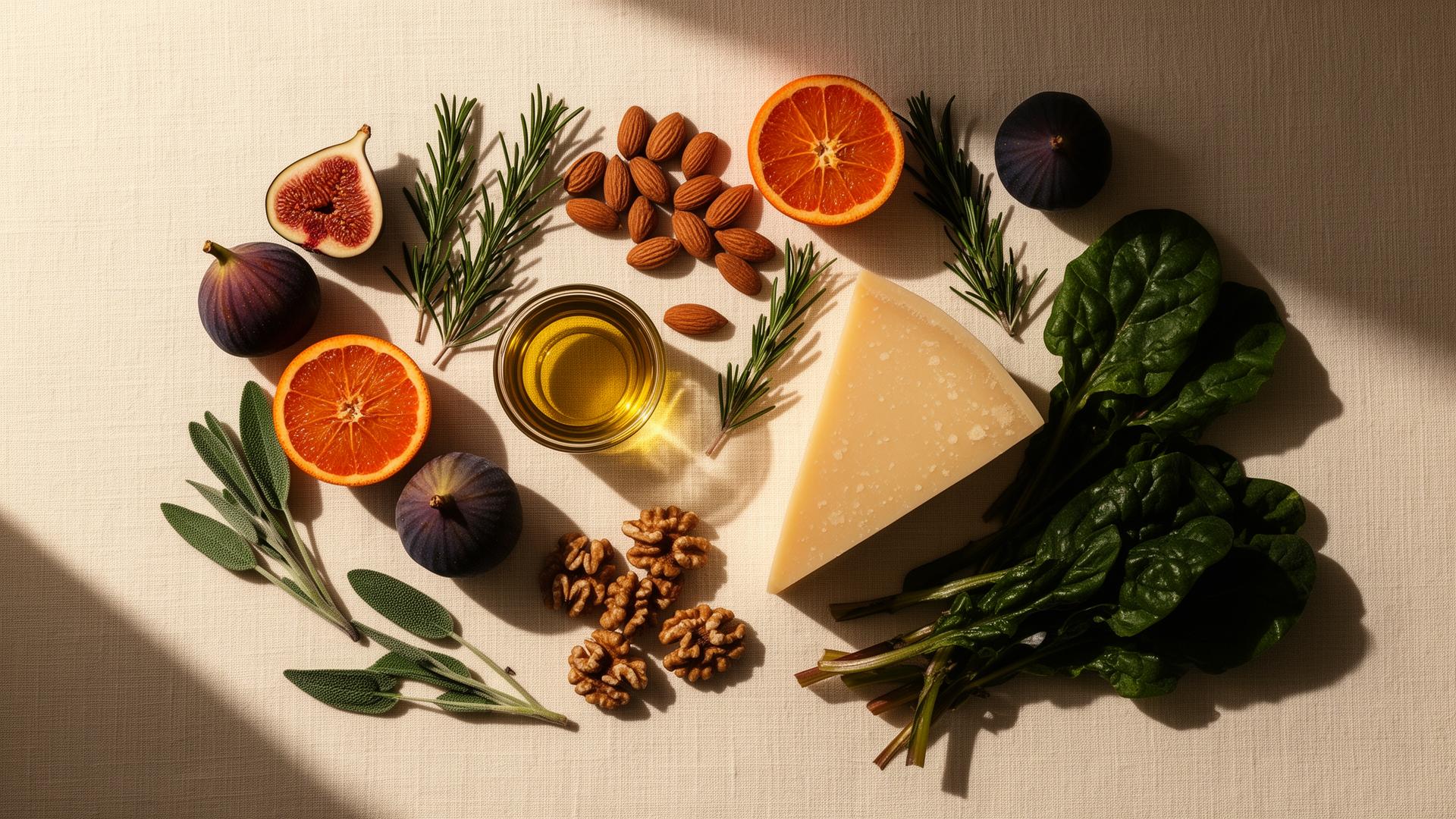
- A Mediterranean-style pattern: vegetables, olive oil, fish, pulses, whole grains, fruit and dairy.
- Selenium — two Brazil nuts a day. Modest evidence for reducing thyroid antibodies.
- Iodine from food (dairy, eggs, white fish) — but avoid high-dose iodine and kelp supplements unless prescribed.
- Adequate protein (25–35 g per meal) to protect muscle when metabolism is sluggish.
- Plenty of fibre and fluids — constipation is one of the most fixable thyroid symptoms.
What the internet gets wrong.
Going gluten-free, cutting nightshades, banning soy, and avoiding cruciferous vegetables are all popular thyroid recommendations online. The evidence for them in women without coeliac disease is, in the main, weak. Soy and cooked broccoli in normal amounts do not block your thyroid; very low-calorie diets and chronic under-eating, on the other hand, genuinely can suppress thyroid output.
A slow thyroid is not a moral failure or a metabolism you have to work around with willpower. It is a treatable medical condition. Treat it medically, support it nutritionally, and resist the temptation to add a supplement aisle's worth of magic to a problem that is already solvable.
Sources & further reading
- American Thyroid Association · Hypothyroidism patient guidelines.
- NICE · Thyroid disease: assessment and management (NG145).
- Wichman, J. et al. (2016). Selenium supplementation significantly reduces thyroid autoantibody levels. Thyroid.